Boundaries

In my youth, I didn’t know what a boundary was outside of classroom expectation and even those were a challenge for me.  Excuse me, can someone explain what it means to be quiet again?  But there’s a person so close to me and I want to talk to them!! Hello person! What do you mean I can’t talk to the person next to me?  What if I just whisper one little something… 

At that point in time, I found little need to define boundaries and only exerted them when aiming to please or experiencing unkindness.

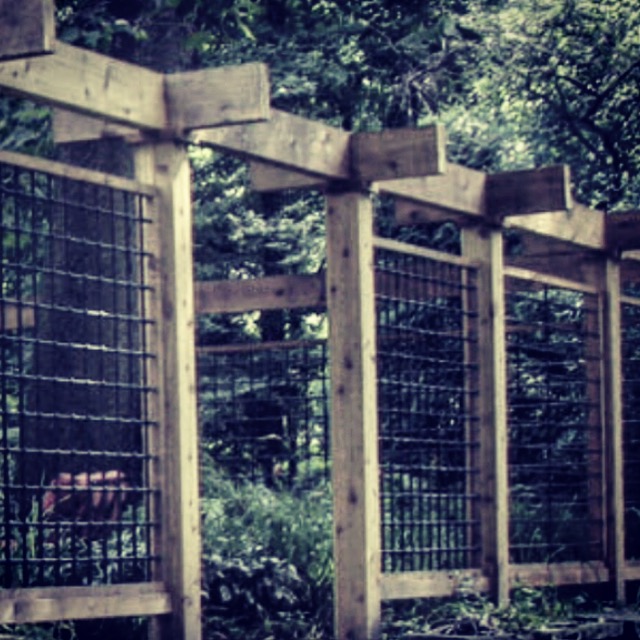
I began to understand boundaries differently once interacting on a deeper level in my teenage years within friendships and soon after, coupling. There are unspoken rules for interacting that when not observed, could push the envelope of comfort or lead to creating layers of complication for many people.  We may come to defining these things with time and interaction, if we don’t understand them to be necessary at first.  We find out based on our emotions and the emotions of our loved ones what will work in any given circumstance.

These days, I am coming to the topic after a time period of having a gigantic wall around myself.  I was only letting boundaries down when interacting with a long standing  friend or easily approachable female.  Luckily, I have arrived at a place of perceiving boundaries as flexible and not necessarily gender specific.

People can have set boundaries in place for differing reasons and it is important to respect these. Understanding and respecting boundaries is a mark of empathic socialization.  If you feel a boundary, it doesn’t have to be taken personally but should be observed for the need of another human expressed.
1CE1B836-38F2-4DA5-B3AB-795244FE683D


Crystal Clear

“If you must look back, do so forgivingly.  If you must look forward, do so prayerfully.  However, the wisest thing you can do is be present in the present gratefully.”  – Maya Angelou 


It is so easy to find yourself wrapped up in thoughts of the past and just as easy to fall into the trap of constantly projecting into the future.  Our challenge is often staying in the present moment.  Taking time to be grateful and focusing on the things that fill your body with gratitude can help with this task.

Get into your sensory system and find gratitude through your body.  Notice how you feel; notice the energy of you and how you interact with the objects around you.  Take note of everything you can observe and the energy outside of you.  Practice a visualization of merging the inner and outer energy with a constant conversation between the two.  If the word “energy” feels obscure to you, perhaps a visualization of light instead will be beneficial.  Getting into the habit of recognizing your inner energy or light and practicing this as unified with your surroundings can be uplifting, as it removes the feeling of isolation we often identify with in this physical form.

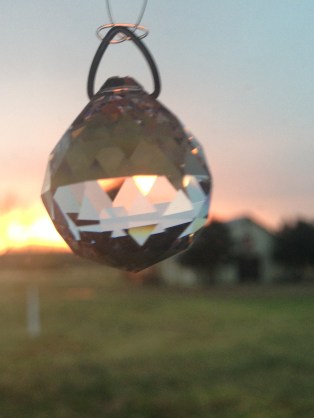
Gratitude and recognition of the interconnectedness of our reality can assist in making the importance of the present moment crystal clear.

IMG_1620


AM & PM practice

1CEDB37C-0CB3-4494-AA8A-54E993191439.jpeg

In the coming weeks try to approach each day with curiosity, greeting every moment with a joyful expectancy for the good things you may find and experience.  At the end of the day make sure to release and make peace with what is, regardless of what has passed in the day.  Become the joyful greeting and the peaceful release.

AM:  I greet today with curiosity and joyful expectancy.

PM: I release the happenings of today with gratitude and love.  Thank you for this day.

Blossoming

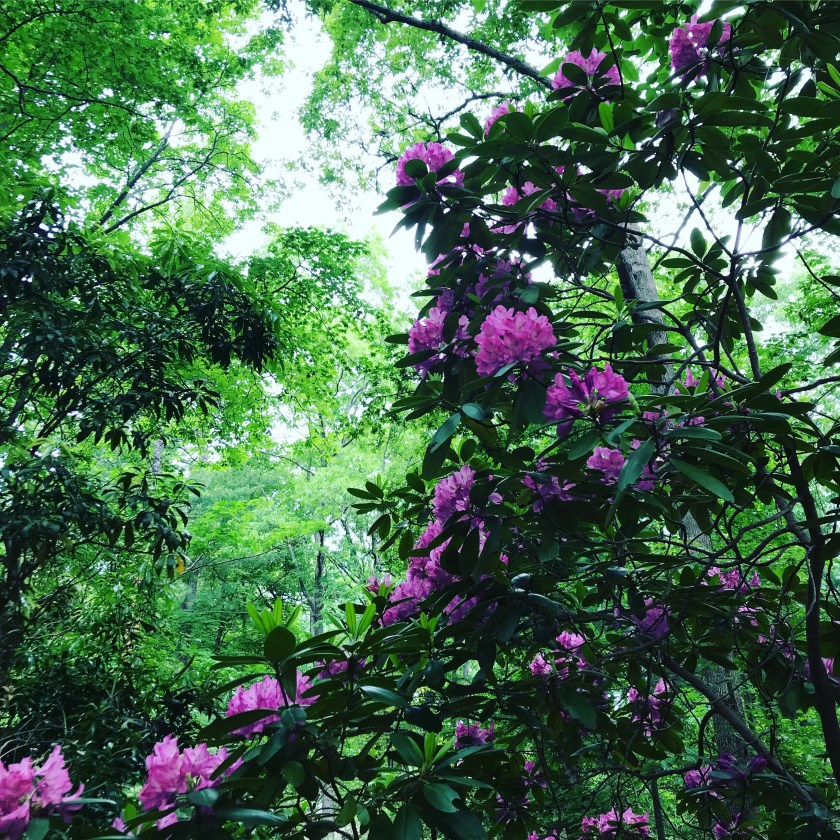
“And the day came when the risk to remain tight in a bud was more painful than the risk it took to blossom.”  – Anais Nin

I first saw this quote about six years ago.  It was given to me, imprinted on a metal plate attached to a thick leather band and made to be worn around the wrist.  I remember unwrapping the box it was mailed in and running my fingers along the smooth grain.  I didn’t know what this meant to have more pain in remaining unopened than facing the risks of blossoming.

I had lived a fairly sheltered and untouched life at the point of receiving this gift.  By untouched, I mean gliding along easily without heartbreak.  I was in the fortunate position of staying at home with my preschool aged children, and spent the rare moments of downtime in that schedule writing poetry that I shared mostly with my husband at the time and occasionally a friend.  Besides this there was an interest in learning simple arrangements for piano as well as baking which I continue to appreciate for the ‘grounding’ it provides.  By grounding, I mean an activity that brings you fully into your senses and the here and now.  Music and poetry have always felt to be a different kind of meditation than baking.  All are channels but the latter a rooting in practicality that produces a tangible and interactive quality.

All of this I did as a task for the sake of the task, and it was not meant to be shared with others (except for the baking).  I felt it was safest to create in an environment without the opinions of others so not to be spoiled by critiquing or any analysis.  This idea came from the relatively short time period I spent with vocal performance, in which some experiences became spoiled by the mind.

So while not quite understanding what my friend meant in giving me this bracelet, I also felt aligned with wearing it.

Since that time period, there have been changes to life, namely the removal of the sense of security I felt in being part of a couple.  With witnessing the dissolve of a relationship that had been part of my life since my late teens,  I felt a lot of loss.  There have been long stretches of quiet at a time in life when activity and stimulation are the norm in our homes, and emptiness has also been a regular guest.  The reality I knew altered significantly in this withering.

Initially, I didn’t realize I was going to seed.  A way of being and doing and thinking died with this change – not all at once and not everything.

What I’m finding now is that some patterns were developed in keeping shelter during the ‘cold season’, that have to be shed in order to blossom.  I think I know exactly what Anais Nin meant by the pain of staying tight in a bud without allowing yourself to come fully into bloom.  In order to bloom, you have to have courage to push through the soil or the crack in the sidewalk or wherever you are planted, you have to allow nourishment and light to filter through, you have to trust knowing that may not be a safe thing to do, and you have to allow your unfolding without judgement; allow no opinion of yourself or your circumstances so that you may truly blossom into the existence that is rightfully yours.

629DED30-5231-4138-81C0-05336F2E9778


Hello

Yesterday I stepped out to take my dog for a walk and came across a mom with a baby in a stroller and a young son next to her on a scooter.  Without reservation he called out, “Hello, Girl!! Hello!!”.  Coming from a young child this ‘girl’ didn’t carry the slant and sass that the word sometimes does.  I didn’t see another soul in the street and knew it was for me though I am a woman in her late thirties. To the mom I expressed how nice it was to be addressed in this friendly way.  The boy wasted not a moment more knowing that he had the power to make someone happy with this greeting.  He called it out again excitedly, “Hello, Girl! Hello, Girl! Hello, Girl! Hello! Helloooooooooo!”.

Reflecting on this, I appreciate how willing he was to do something that he knew another person liked.  I also appreciate how he didn’t hesitate to offer the greeting and how he didn’t question doing it again and again later.  This child did what came to him in the moment and he didn’t make judgements about how it sounded or what anyone thought once he could see and feel happiness in the action.  This child hasn’t yet learned the behavior of shutting himself down by caring too much about what others think of him or letting his mind tell him the 33 reasons he shouldn’t do a thing, which can drain you of your happiness and maybe others of theirs too!

I hope you will greet those you encounter this weekend with happiness and that you will do it with enthusiasm.  It may require that we all get out of our minds and into the present moment more without judgements, but perhaps this is just what we need!  Good luck with greetings and sharing as many happy hellos as you can this weekend!

IMG_1723


ne touche pas

ne touche pas  translation do not touch


Years ago, my daughter and I were watching short clips of French videos to spend time with the language.  We came across one of a man being told not to push the red button in a space craft simulator.  In the end, he could not resist and pressed the red button causing the simulator to mimic taking off which my then 5 year old thought was hilarious, replaying the recording many times.

I am now reminded of this scene in thinking of the simulator as being much like the relentless, running mind.  That red button can be irresistible to press.  It’s irresistible in it’s mindless, routine nature.  “Mindless” is used here to imply lack of awareness of the thinker and the inability to perceive this as separate from you.

You are not your mind.

You are so much more.

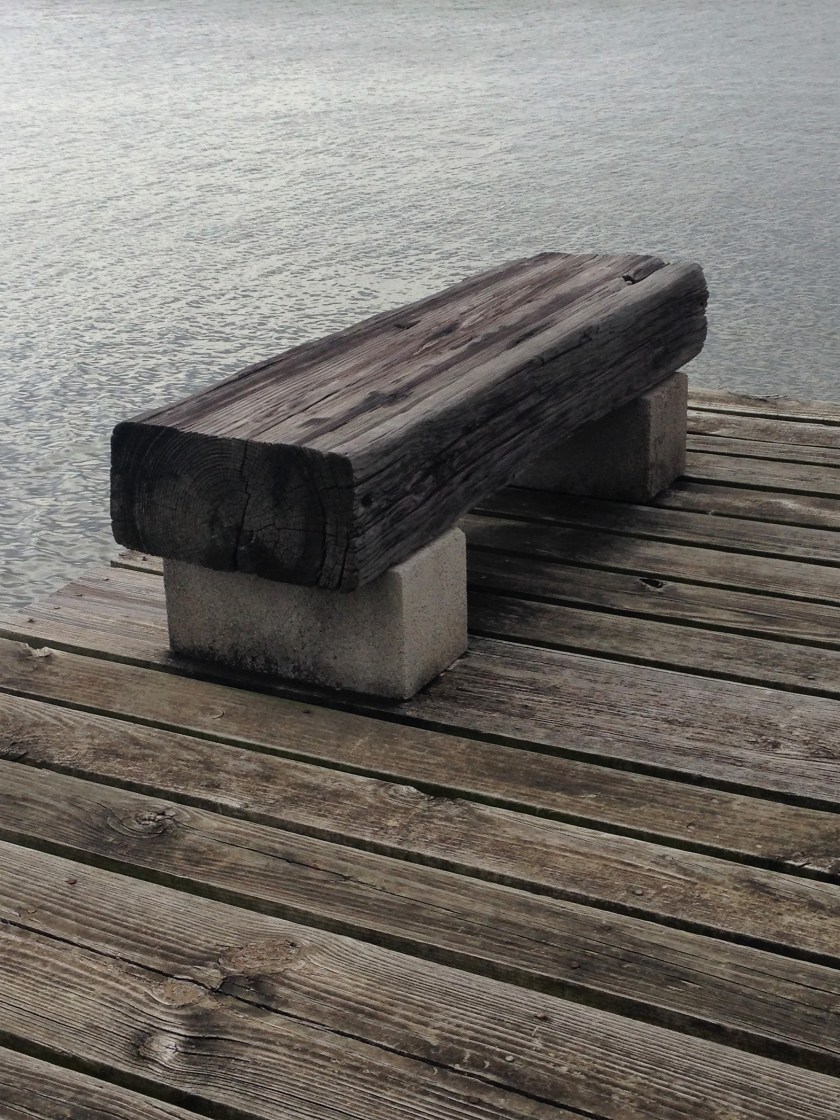
In the beginning days of learning to stop the mind and thought patterns of old, I found it most useful to imagine myself sitting on a wooden bench by a highway.  I imaged my mind as the highway with cars representing my thoughts speeding by.  In placing myself on that bench next to the highway, I took the first step in creating separation from the mind.  Once I was separate from my mind, I could become the observer of thoughts.  In the beginning I could only slow the cars down and sometimes I found that I would go along with one.  When that happened I would practice forgiveness towards myself, hop out of the car and go back to the bench.  Eventually, there were less cars and sitting on the bench was peaceful.  With more and more practice, I could come to the bench and see no cars for longer stretches of time and that highway looked almost like a soothing black river.  This gave me an incredible sense of freedom.

So if you decide you would like to become separate from your mind to take a seat by the busy highway of thoughts and possibly let it become a deep body of quiet water,  I think it would be well worth your time.  Once you’ve learned to manage the mindscene and you’re out dealing with the realities of life, remember that you don’t have to touch the big red button if you don’t want to.

You can give the mind a rest.

IMG_0203

What Lives NOW

Post by Jessica:

Many of us have anger, depression and resentment that lives in our present life. Many have fear and worry that lives in our day today. These two pieces, which are past and future soaking, is a mindfulness practice that often leads to unhealthy connections, medications, and countless dollars spent to try to ‘find happiness’. We may see a Positive Polly walking around and either wish we had the secret pill or simply secretly despise them for being so darn cheerful all of the time! What the hell are they so happy about?? Don’t they see the news? Don’t they have bills? Hasn’t their heart been broken or humiliated lately like everyone else???

There is a trick, it’s not a miracle when practiced once or twice- however, it can be a miracle when practiced consistently. This is the act of realizing what you are doing- NOW. We drink, eat, breath, speak, drive and even argue in habits. Old habits like an automatic pilot while we grind our teeth about the past and ring out our palms about the future. Our backs, hearts and guts are tremendously affected and harmed in this lifestyle. It is a constant life of stress. It is a negative Mindfulness.

To begin change, start noticing what you are doing, what thoughts are running through your mind, what loops are skipping and where you are breathing. The present moment has sensations and actions ready to soak in and experience. The problem comes in with our autopilot. We are miserably obsessed with what happened and what might happen. There is then the absolute inability to ever really know and feel and smell and experience what IS happening. Your body and mind are thirsty for the present moment- so:
Where are you breathing in your torso, what are you smelling right now, what are you seeing and can you sit and wait to look at the next thought that float in? When you step outside- what sensations can you feel, smell and hear?

Repeat as often as possible. There is peace and positivity right HERE and right NOW but you do have to sit and soak in the now to ‘have’ it. Not soaking into 5 minutes ago or last year. Not soaking into 5 minutes from now or next week or retirement. Life is now. And now. And now.

’Breathing in, I calm my body.
Breathing out, I smile.
Dwelling in this present moment, I know that this is a wonderful moment.’
-Thich Nhat Hanh


B91F6EE3-10EA-4CFE-A2C2-98BA6ADF8BC9.jpeg

Nie Mój Cyrk, Nie Moje Malpy!

A post contributed by Tracy Weaver, Life Coach, EFT Practitioner:

My wife and I were enjoying lunch in our quiet kitchen today, busily minding someone else’s business, fixing their dilemma our way. Suddenly, Cindy threw her napkin down and said, “Not my circus, not my monkeys!” It stopped me dead in my tracks and got me grinning. “Where in the world did you hear that?” I asked. We both knew we had heard it somewhere before, but neither of us had any idea where. So, I grabbed my phone and looked it up. An old Polish saying, as it turns out, available on coffee cups, signs and other printable accessories. Oh sure, you can just say “Not my problem.” if you want to, but this old Polish saying has so much more juice to it.

Although we both regularly get caught in the net of old habits, we really are learning to be more discerning about whether a matter is our business at all, and whether we should be involved. As it turns out, not nearly as often as we had thought. We have learned to look at the balance of our own time and energy first. Also, when we have poked our noses into other peoples’ problems, we have many times found our intrusion to be resented and our wise solutions totally ignored. And we usually don’t want other people providing that unasked-for service for us either.

If you think you might like to disentangle yourself from this habit too, the first question to ask yourself is “What am I really getting out of this?” I’m talking about the resulting feeling you derive, the emotional something you get from the behavior. Trust me, if you have a long-standing habit of fixing other people’s problems, you are getting something of emotional value from it. If you didn’t, you wouldn’t be nearly as quick to offer. Is it adulation, respect, being in the limelight, reaffirming that you know best and therefore are of great value, or the nice feeling of being needed?

If you are coming up with altruistic, noble reasons, you haven’t reached bottom yet; keep digging down! One effective way to the truth is to pay particular attention to your emotions the next time you take on the project of someone else’s dilemma, all the way through the experience. Keep a little journal of your feelings as you go through the process, with as much self-honesty as you can muster.

There’s another aspect to this as well; if you always fix problems for other people, how are they going to learn to solve problems for themselves? You are teaching them to lean on you instead of giving them the opportunity to develop the confidence and skills to tackle challenges on their own. If you really feel they are not up to the challenge, you could suggest an approach for them to take, but make sure they do the work. They will get a boost in self-esteem and you might find that you enjoy your new role as an experienced teacher who is known for their light touch. Also, it will demand far less time and work on your part, leaving more time for you to pursue your own interests and progress.

So, feel free to tape this somewhere on your wall where you will see it when you need a little reminder:

Not My Circus, Not My Monkeys!

Reflection

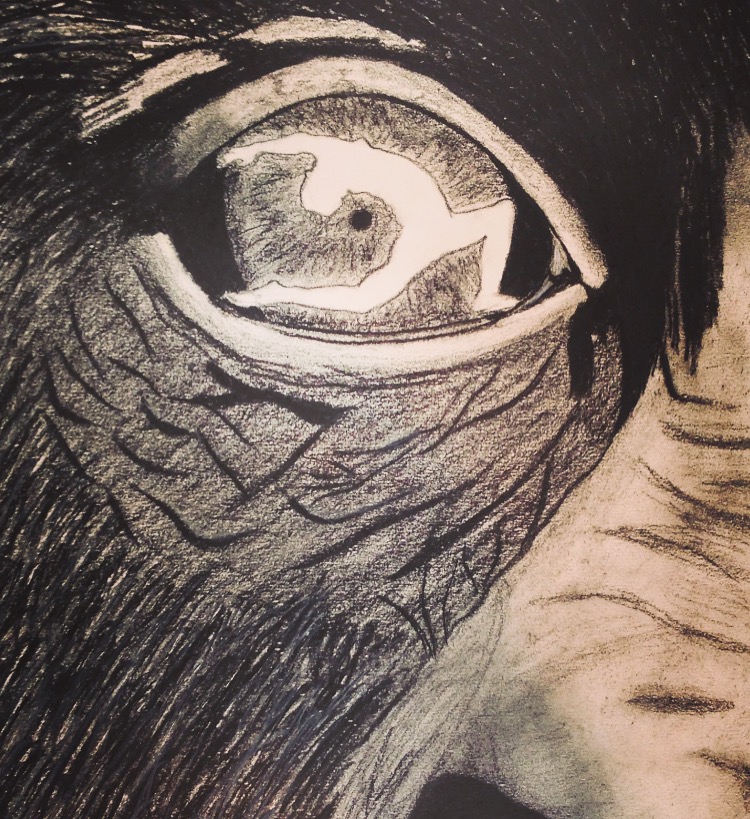
Oftentimes the most difficult thing to face in relationships, is that what we spy as a shortcoming in another is possibly a failing in ourselves.  Viewing the issues with others as a reflection of what needs work in yourself can be a useful tool in personal growth, presenting a path for you to be a more present listener, objective participant, and supportive partner or friend.  If you think someone you are interacting with needs to improve their communication, be aware of your own communication.  If you feel someone is not noticing your efforts, take a look at your expressions towards the efforts given.  If you hold high expectations of others, watch your own gauge and keep a loving heart towards yourself and others.

Try to stay open to suggestions from those who care for you, and are actively involved with your patterns and day to day living! Part of the beauty of interacting with others besides connection and the realization of expansive, unconditional love is the role we can play in holding an honest mirror up for one another.

Sometimes the interactions that carry tension are those that can bring us the most growth when released through understanding.

We are all a work in progress.

B5A2AD75-1951-45A4-AC52-53F4ED40B3A4.jpeg

Crows

A nest of crows live  close to my home.  I see and hear them often.  I have become a witness to their habits.  This weekend I took pause by a window and found I was not alone.  There was a beautiful black feathered friend in a tree to my left.  Whenever I spy a crow on their own I typically look for the others straight away, because they are rarely without companionship.   Preoccupied with other thoughts in this moment, I didn’t rush to look for other crows but appreciated the presence of this one crow and his view of the creek and wooded land below.  I was glad for the company and reminded of the importance in viewing situations from a ‘higher’ perspective.  I scanned the land visible from the window too and soon spotted another crow on the ground just beyond the creek.  After a few moments, the crow flew from the ground to a high branch in a neighboring tree and the initial crow I spotted flew down for his time on the ground.

Alongside broad perspective, looking out for others and the companionship of helpmates were also on display in this short timespan.

I felt a bow of recognition was due to those who so naturally do what we, as humans, sometimes become disconnected from doing.  Oftentimes we disengage from the promptings of our heart and the fellowship of community, leading us to harbor a narrow view and perhaps a sometimes lonely experience.

Here’s to the crows for reminding us about the importance of helping others, taking turns, and looking at life from a broad perspective.  

AE666981-21C4-4E89-8973-CD0C0D5CF3A4.jpeg